

Brian Callaway writes The Midlife Sherpa and coaches men and women through the long middle of life. The essays are where the work begins.
Imagine there was a drug designed to help immature adults grow up. The commercial might sound something like this:
Are you middle-aged and experiencing frustration, anger and unhappiness? Short with your spouse? Struggling to connect with your teenagers? Are you living a satisfactory life but feeling hollow inside? If you answered yes to any of these questions and are ready for change, then there is hope. Ask your doctor about GROHUPP, made for adults. The first drug of its kind…
That doesn’t exist.
I checked.
The closest thing we have is exercise. Not because it makes you thinner or faster. Because it rewires the part of you that keeps reacting before thinking. It is a backdoor to your brain, and to the adult you keep meaning to become.
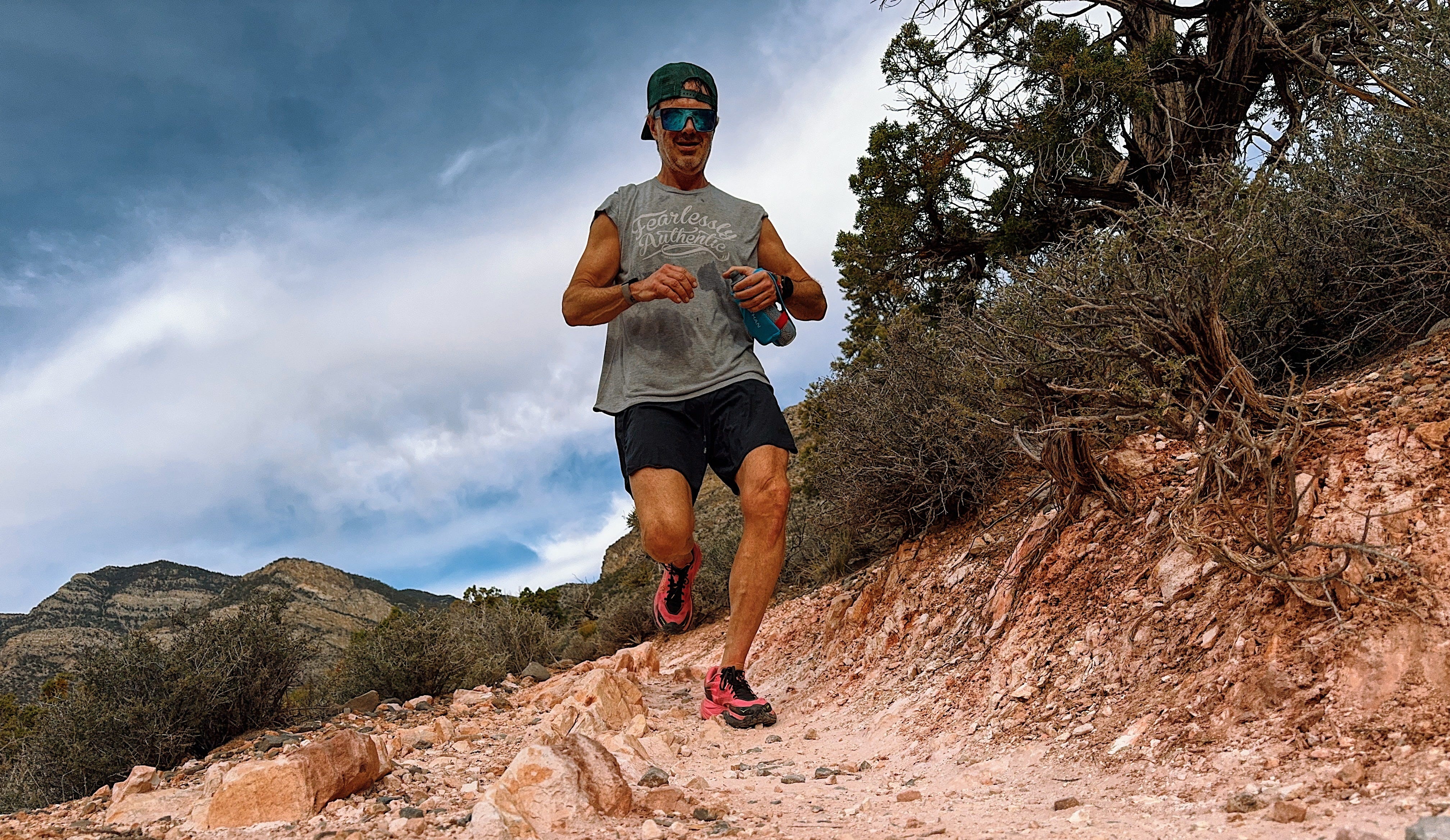
About a decade ago, I was a hot, reactionary mess, snapping at everyone, defensive, cranky. Just a joy to be around. Unable to change, fearing that I was born this way, I turned to running as a last resort in an effort to overhaul the one thing I could, my weight.
What I didn’t expect was that it would work on the inside too.
In his book Spark, The Revolutionary New Science of Exercise and the Brain, Dr. John Ratey, a Harvard clinical psychiatrist promotes BDNF, or Brain-Derived Neurotrophic Factor. It is a protein he calls “Miracle-Gro for the brain.”
Exercise, specifically consistent high-intensity workouts, produces BDNF, which stimulates the birth of new neurons and neural pathways. The brain becomes more adaptable, capable of learning new responses, new habits, and better ways of showing up.
Mild movement helps, but hard, uncomfortable effort that you finish is what really leaves a mark.
Retrain your brain with your body.
PICK YOUR POISON
Choose a cardio-intensive exercise that is simple and uncomfortable. For me it was running. Every sedentary, excuse-making person’s worst nightmare. All I needed was shoes to get started. For my wife, it’s Zumba. I went once and can confirm two things: it absolutely counts as high-impact cardio, and I had no business being there.
Other options: swimming, cycling, spin, dance, hiking, rucking, group fitness — anything that gets your heart rate up and keeps you coming back. (Strength training is important but works best as a complement, not a replacement.)
Ask yourself: will this keep you interested over months and years? I fell for trail running because no two runs are alike: the terrain, the weather, the wildlife. I’m still awed by routes I’ve run a hundred times. One caveat: if you become obsessed, make sure you can afford it. I’ve known a mountain biker or two who has spent more on their kit than their first car.
START STUPID SMALL
A goal without structure is just whimsy. Create a schedule, put the exercises on a calendar, and include the start/end time. Set a minimum for each session and an ideal target. If you tucker out after the minimum, you still hit your goal. Just get your heart rate up.
The fewer decisions you leave for the moment, the fewer escape routes you create.
Break it down to the smallest details. Especially if this is new to you. For example:
Day one: buy shoes.
Day two: put them by the door.
Day three: put them on and go outside for 10 minutes.
I’m serious. People love to skip past the tiny steps because they feel silly.
But tiny steps are how reluctant folks become consistent movers.
FIND YOUR VOLCANO
While planning goals, also aim for something so audacious it makes you laugh. Not for today. For later. When I was 255 pounds and out of breath tying my shoes, I told myself I’d run ultras one day. Years later I ran around a volcano — Mt. Hood, 46 miles, 10,000 feet of climbing at elevation, 12 hours.
I’m not telling you to run a volcano.
I’m telling you to pick your volcano.
Then see it. Before you do it, with every goal. The course. The pain. The moments you want to quit. The finish line. Your kids standing there. Then, one day it will happen, exactly like that. When you dream it enough times, it ceases being impossible and starts feeling familiar.
IGNORE YOURSELF
Every fiber of your being is going to plead with you to stay in bed. Even now, after a decade of running in the mountains, my mind still litigates the case for doom scrolling over sweating. But I’m smarter.
One. I know it’s coming. I expect it. It’s part of the process, like tying my shoes, it’s just what happens before I go.
Two. It’s noise, background chatter. Like a leaf blower outside your window — loud, temporary, irrelevant.
Three. My favorite reframe: that voice is just jealous, envious that it can’t come outside and play and experience the high you are about to get.
No one has ever finished a workout and wished they hadn't.
ACCOUNTABILITY
Don’t rely on willpower, add consequence. Sign up for a race (and announce it on social), book the class, hire a trainer, tell people what you’re doing. Many clients place bets with their peers, it works. Put yourself in a position where not showing up costs you something.
Make friends and find your people. You will always show up when someone else is counting on you. The most underrated metric in any group is not pace or weight or mileage. It’s attendance.
Showing up beats performing every time.
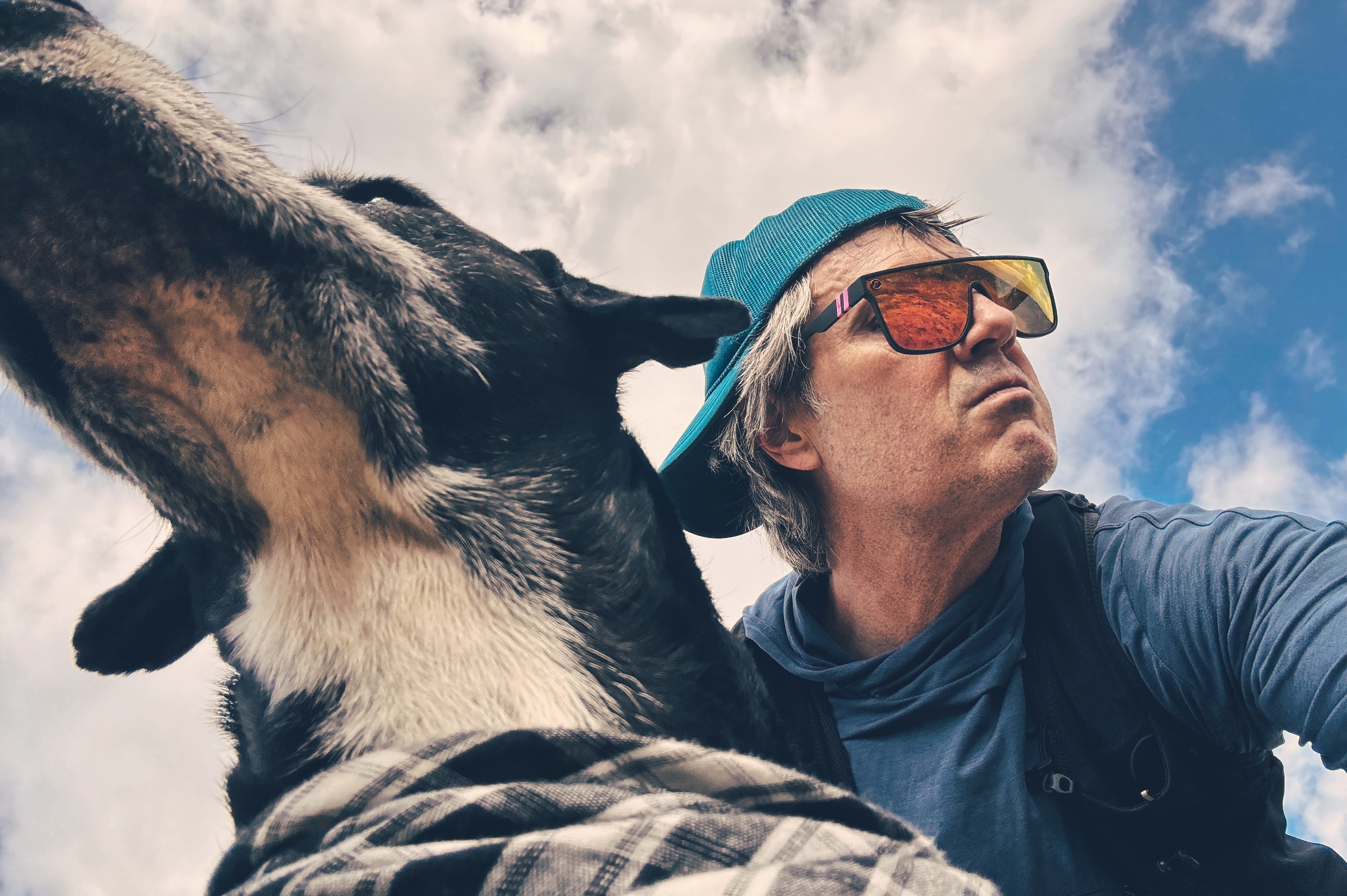
What has four legs and no sympathy for your excuses? Your dog, the greatest accountability partner. She doesn’t care if it’s raining, if you’re tired, or if you stayed up too late. She’s at the door. You’re going.
GAMIFY
Consistency accelerates when you make it a game. Can I go just one more song? Push myself one more 1/2 mile, or to the bridge? My wife loves to create rewards: four Zumba classes in a row equals $50 at her favorite consignment store. I run out-and-back courses when time is short. See how far I can get, then make it back. This consumes my mind with clock and mile split calculations, and potential excuses for my wife if I am late. I use Strava to ‘friend’ people I meet on the course. Later, I create mini-competitions for myself: can I beat their time on this section, or who’s the Local Legend (most times on completed segment)? On the Peloton, I ‘race’ riders with the same age (and always lose.) You can also go for streaks, ‘paint’ pictures on your map with your route, and even run from Zombies. Whatever sparks your imagination, and keeps you coming back.
The right tool can turn a chore into an obsession.
Bonus Points
If your exercise forces you to think with a tinge of fear (navigate, route-find, learn dance steps/movement, pay attention), you’re adding in more brain adaptation and neural pathways. Try an unfamiliar route, and get back without using your phone.
THE PAYOFF
Before the clarity.
Before the confidence.
Before the connection.
Do the hard stuff. Over and over.
Use your body to rewire your brain.
Eventually you’ll carve fresh lanes for the inner work on new neural pathways.
Earned with sweat and grit.
Once you’ve been at it for a while, try therapy.
Shortly after Mt. Hood I began seeing a new therapist, and made significant progress. The pathways were open. I was finally able to create space from my reactive, reptilian self and let the adult in me show up.
Growing up never felt so good.
Disclaimer
In no way am I healed and a new person. I am a work in progress and continue to make mistakes and occasionally react before thinking. The difference is I now have the tools and awareness to catch myself, and sometimes even apologize before morning.
Brian Callaway is The Midlife Sherpa. He writes here every week and coaches one-on-one at themidlifesherpa.com.
Where are you on the trail right now? Take the Sherpa Assessment. Ten minutes, free, no fluff. Take the Assessment →